Cash Is Still Important for Everyday Budgets
12/21/20253 min read
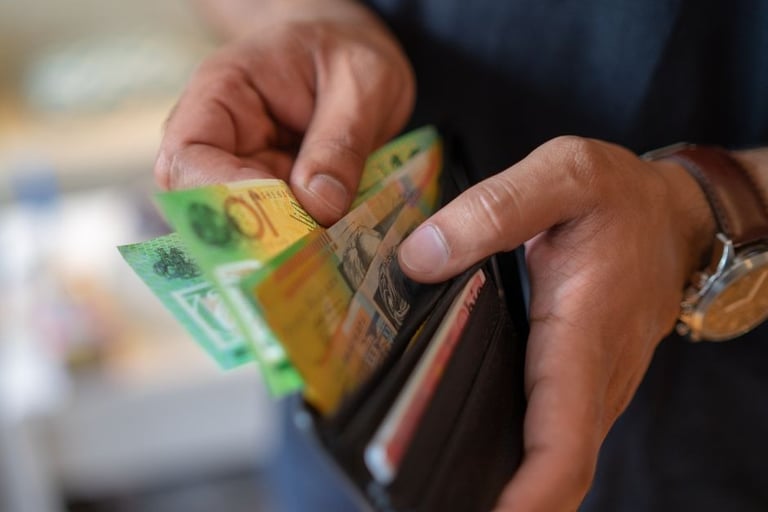
Cash has been slowly disappearing from everyday life for years, so this recent change is worth paying attention to, especially if you’re someone who budgets carefully or prefers simple money systems. From January 2026, major supermarkets and fuel retailers in Australia will be required to accept cash for in-store purchases of essential items like groceries and fuel. This means if you walk into a supermarket or servo with notes and coins, cash will once again be a guaranteed payment option for everyday essentials.
Why Cash Still Matters
For some people, this might not sound like a big deal, but for others it makes a real difference. I work with people every week who still use cash as part of their budgeting system because it helps them stay in control of their spending. When money is physical, it’s easier to see where it’s going, slow down spending decisions, and stick to a plan. Cash budgeting can be especially helpful for people on tight incomes, older Australians, people without easy access to digital banking, or anyone who finds card payments make it too easy to overspend.
Digital Payments Don’t Work for Everyone
While digital payments are convenient, they don’t suit everyone and they don’t always work. We’ve all experienced system outages, payment issues, or times when technology fails. Being able to use cash for essentials like food and fuel isn’t about going backwards, it’s about access, choice, and financial inclusion. This change recognises that people manage money in different ways and that essentials should be accessible regardless of how you pay.
What This Change Does and Doesn’t Mean
It’s important to understand that this change doesn’t mean Australia is going back to a cash-only system, and it doesn’t mean every business must accept cash. Many smaller businesses and non-essential retailers may still choose to operate as card-only, and that’s unlikely to change. But for the basics that people rely on every single week, cash will remain a valid and accepted way to pay.
What This Means for Your Budget
From a budgeting point of view, this is a good reminder that there is no one right way to manage money. Some people track everything digitally, some use a mix of card and cash, and others still use envelope systems to keep spending under control. The best budget is the one you can actually stick to. Cash isn’t old-fashioned or wrong, and it hasn’t disappeared. For many people, it’s still a practical, intentional tool that supports better spending habits and more confidence with money.
Why Tangible Money Tools Still Work
One of the reasons cash works so well is because it’s tangible. You can see it, touch it, and physically hand it over. The same idea applies to budgeting. Writing out your budget by hand can make your money feel more real and easier to understand. Putting pen to paper slows things down, helps you think through your spending, and creates a stronger connection between what you earn and where it goes. For many people, especially those who feel overwhelmed by money, a handwritten budget feels simpler and less intimidating than apps or spreadsheets. It’s not about being old-fashioned, it’s about choosing tools that help you stay present and intentional with your money.
A Simple Takeaway
This change is a good reminder that managing money doesn’t have to be complicated or high-tech to be effective. Whether it’s paying with cash, writing out your budget by hand, or using a simple system you understand, the goal is confidence and control. Money management isn’t about trends or technology, it’s about finding practical habits that work for your life, your income, and your goals. If you’d like to read more about the announcement itself, you can find the full article here.
Quick links
© 2026 The Simple Budget. All rights reserved.
The Simple Budget provides general financial education, not personal financial advice. I am not a licensed financial planner, accountant, tax agent, financial counsellor or NDIS provider. Please consider your own situation and seek professional guidance where needed.
If The Simple Budget has helped you, I’d be so grateful if you could leave a quick Google review.
Your feedback helps other people find practical budgeting, money skills workshops and support.
Important note
Subscribe to our newsletter
Leave a Google Review